01WATER
Restore working watersheds
Support practical projects that slow runoff, rebuild stream edges, and keep local water cleaner from headwaters to coast.
2026 goal: 150 acres supportedINDEPENDENT · NONPARTISAN · COMMUNITY-LED
Common Ground America turns concern for the environment into useful, local work—healthier waterways, cooler neighborhoods, stronger shorelines, and more room for nature in everyday life.
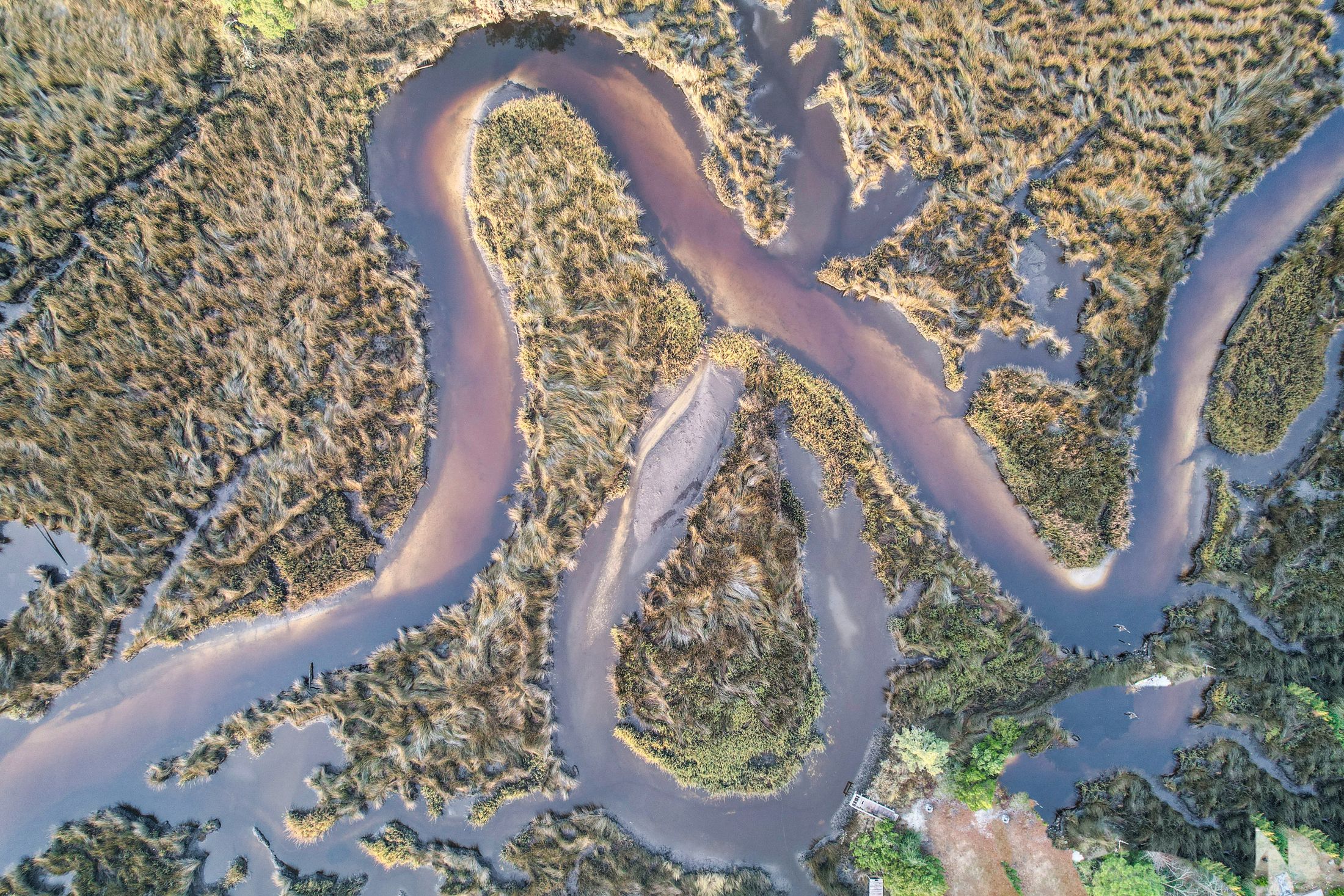
ABOUT COMMON GROUND
We are building a national home for practical environmental action rooted in local knowledge.
Our role is simple: translate strong conservation ideas into projects that communities can understand, adapt, and carry forward. We focus on visible outcomes and long-term stewardship—not one-day gestures.
How we work →THE 2026 FIELD PLAN
Our annual field plan gives partners a common direction while leaving room for each place to lead with its own needs.
Support practical projects that slow runoff, rebuild stream edges, and keep local water cleaner from headwaters to coast.
2026 goal: 150 acres supportedHelp communities put the right trees in the places where summer heat, stormwater, and daily life meet.
2026 goal: 10,000 native plantsAdvance nature-based coastal protection that gives wildlife room, reduces erosion, and keeps communities connected to the water.
2026 goal: 25 local partners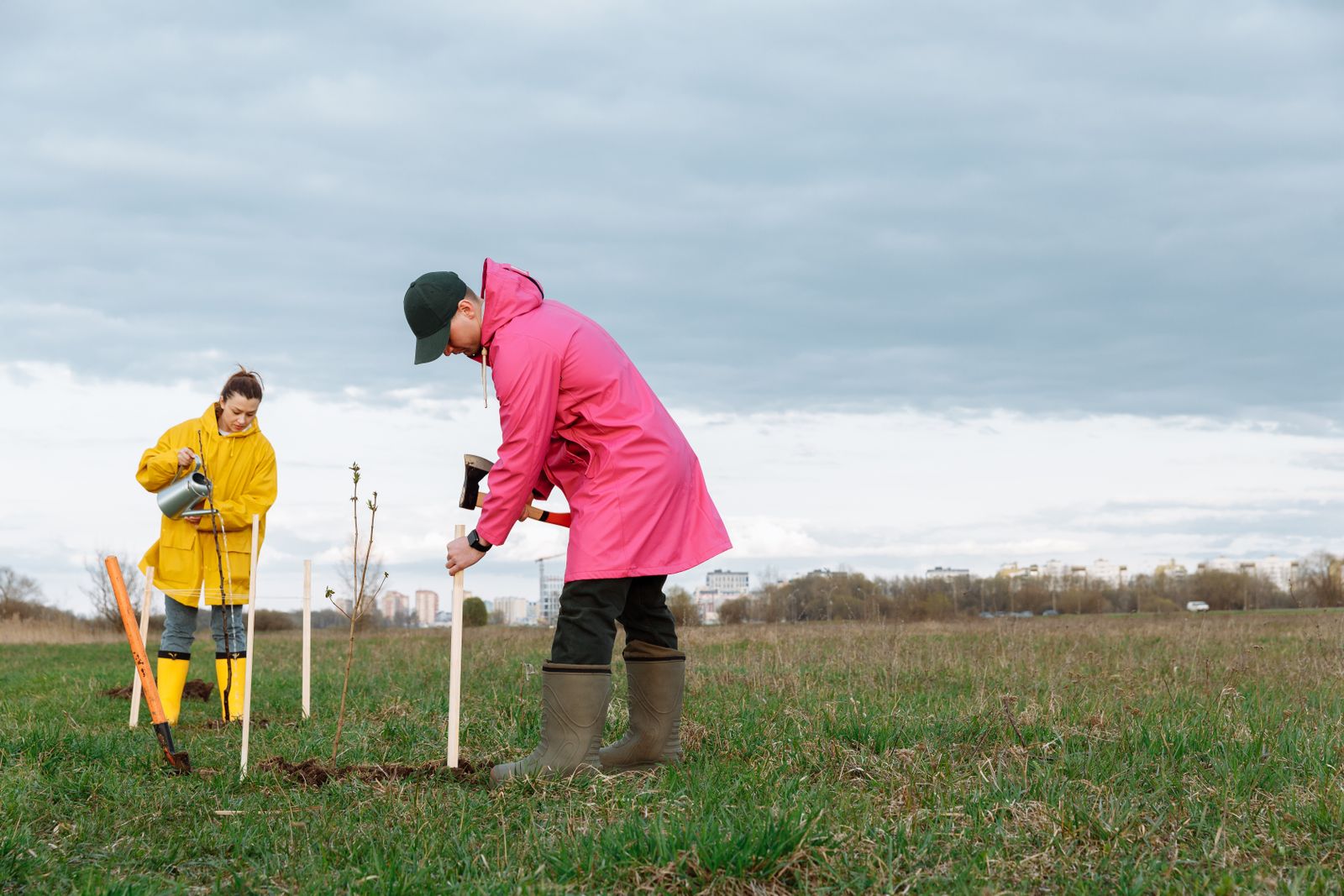
HOW WE WORK
Every useful project needs a site plan, a care plan, a local steward, and a way to learn from what happens next.
Start with residents, land managers, and the people already doing the work.
Plan maintenance, access, and accountability before launch day.
Publish practical lessons so another community can move faster.
FIELD JOURNAL
Clear reporting, practical guides, and grounded stories from the places where conservation becomes daily life.
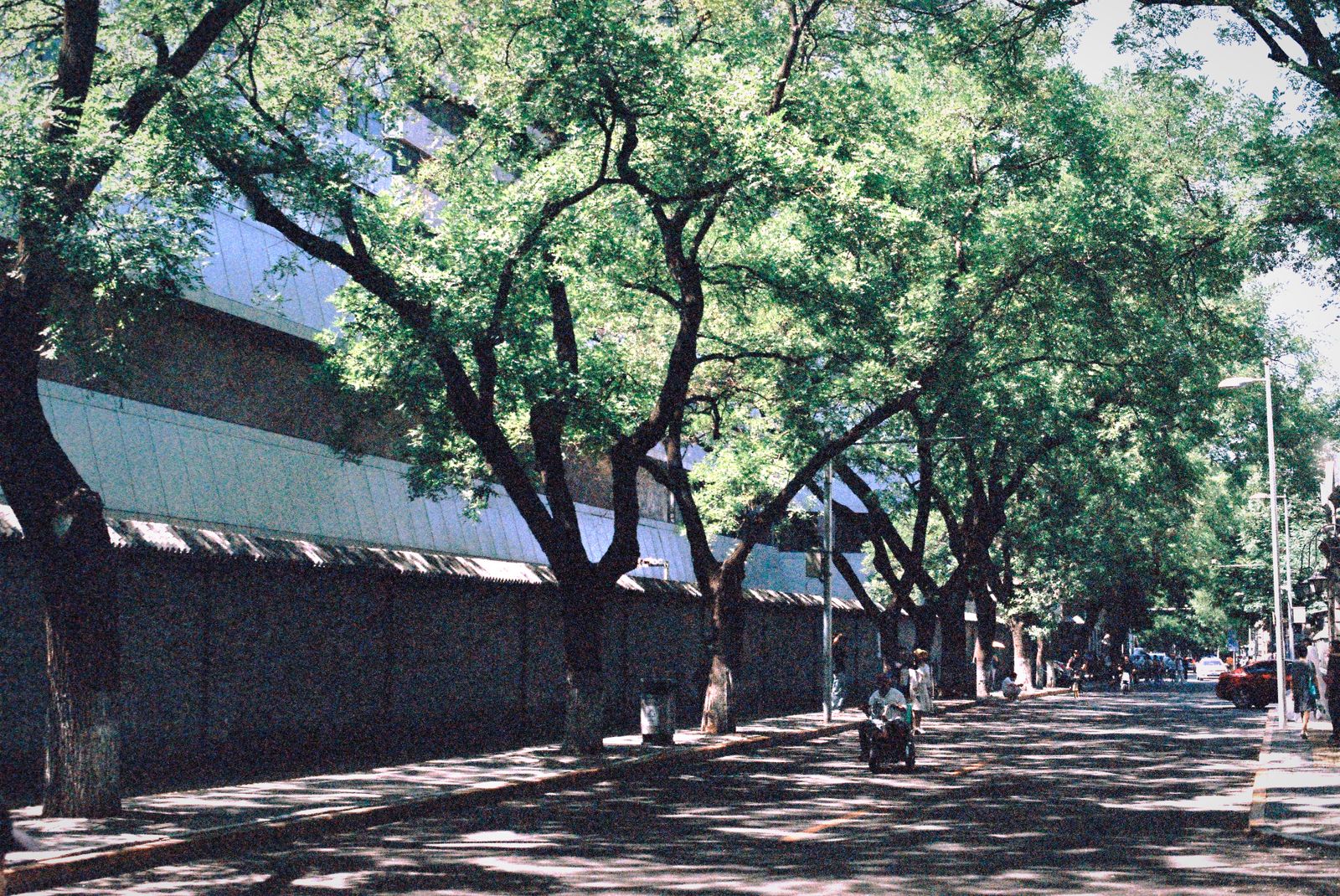
The most useful tree plan begins with shade, sidewalks, and the people who will care for it after planting day.
Read story →Marsh grasses, oyster structures, and room for water can protect a shoreline while keeping it alive.
Read story →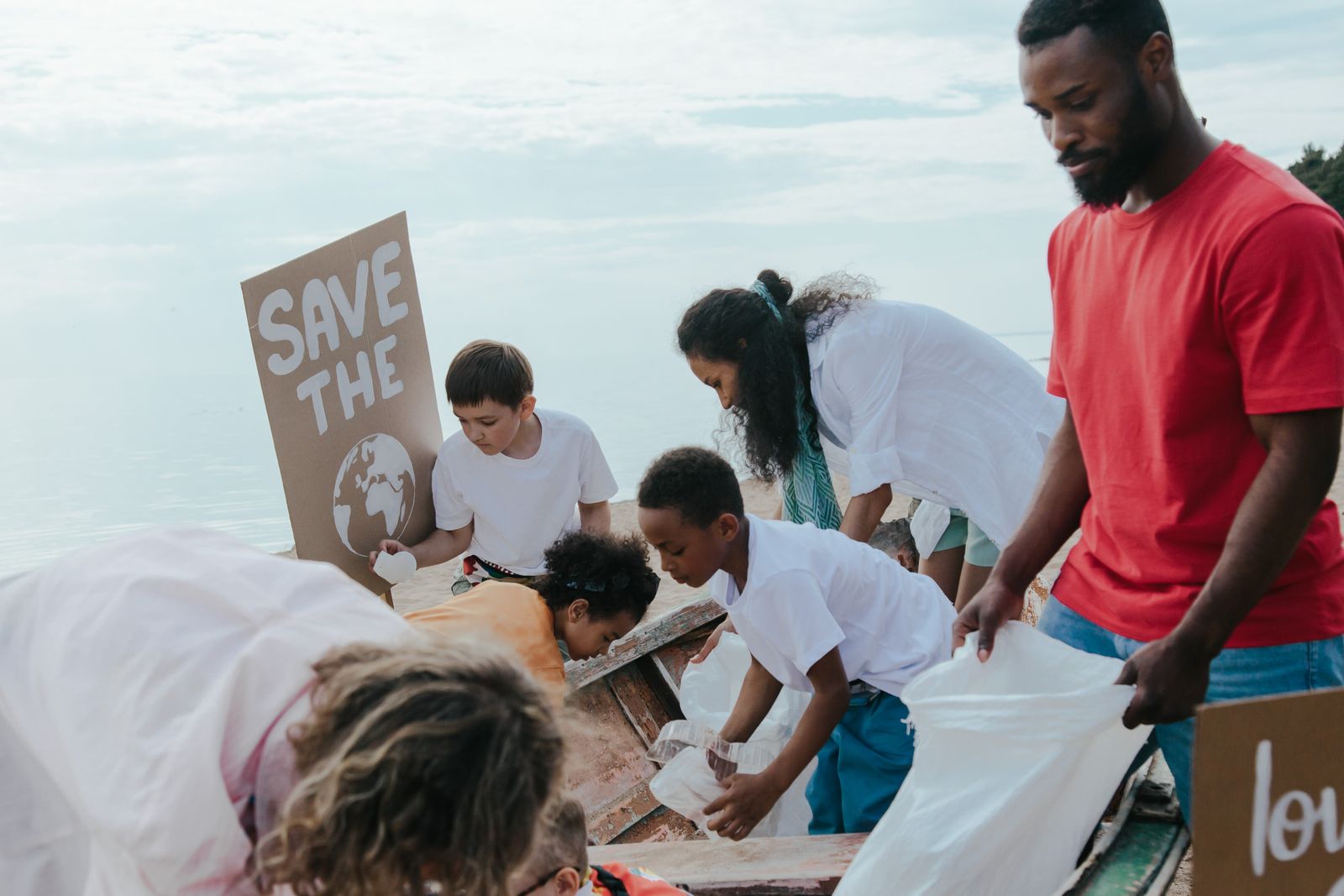
The bags matter. The relationships, local data, and follow-up plan matter even more.
Read story →Have a local project or field lesson to share?
Tell us what is happening where you live ↗