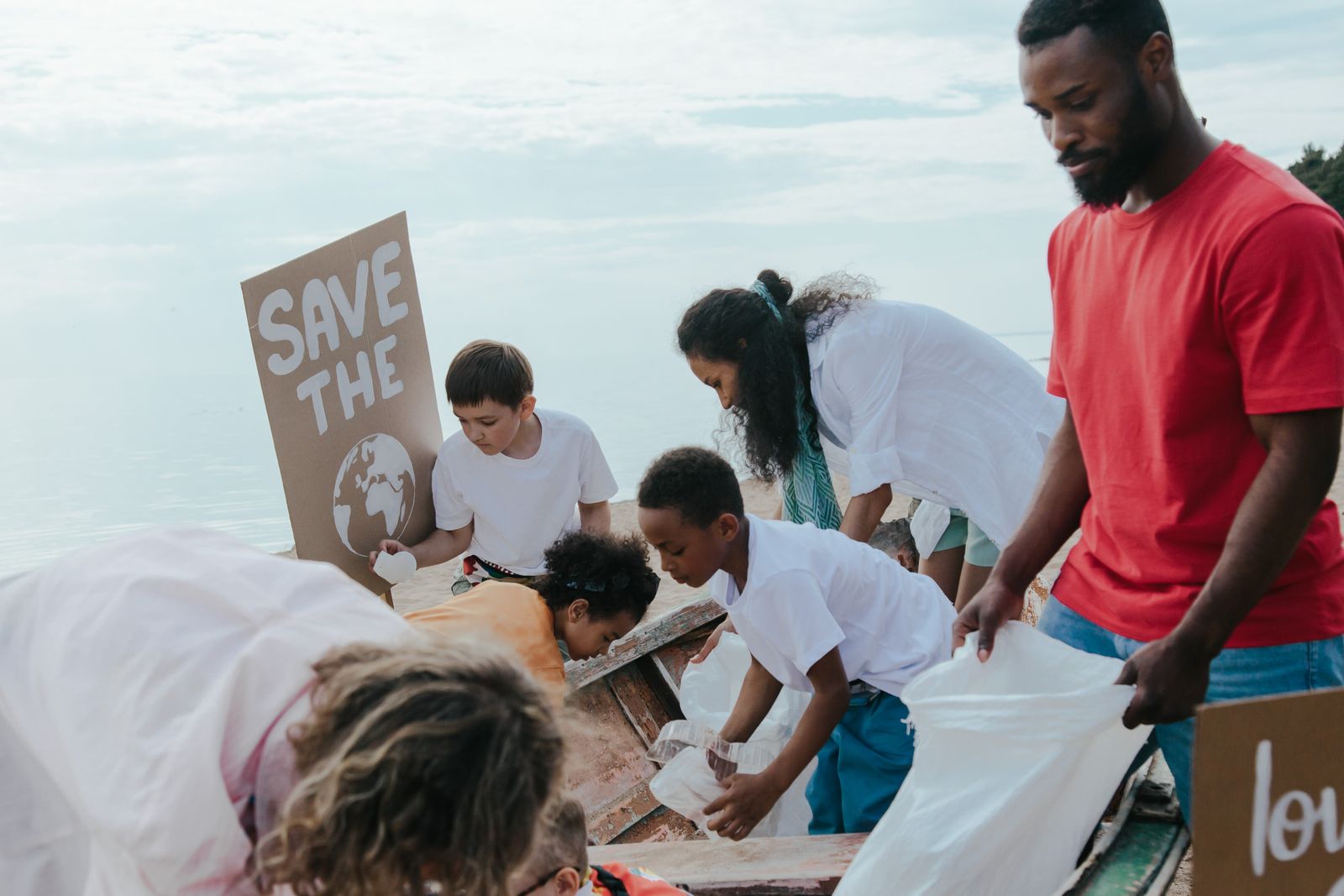
A cleanup is one of the clearest ways to begin environmental work together. The result is visible, the task is welcoming, and people can contribute in an afternoon. Its long-term value depends on what happens after the group photo.
Collect information, not only litter
Record the most common materials and where they concentrate. A repeated cluster near one drain, access point, or business tells a different story than scattered debris after a storm. Even a simple tally can point toward prevention.
Share that information with the people who manage the place. It can support better bin placement, storm-drain maintenance, outreach, or a conversation with nearby businesses about packaging and disposal.
Design a welcoming day
Clear meeting instructions, gloves in several sizes, water, shade, and a safe plan for sharp or hazardous material make participation easier. Create roles for children, older adults, and people who cannot carry heavy bags. Stewardship should widen the circle.
End with the next date
Before volunteers leave, offer one concrete next step: a monitoring walk, a meeting with the site manager, or a follow-up event focused on prevention. Send a short report showing what was collected and what the group learned.
A clean site is a good outcome. A community that understands the source of the problem—and knows how to work together again—is a stronger one.