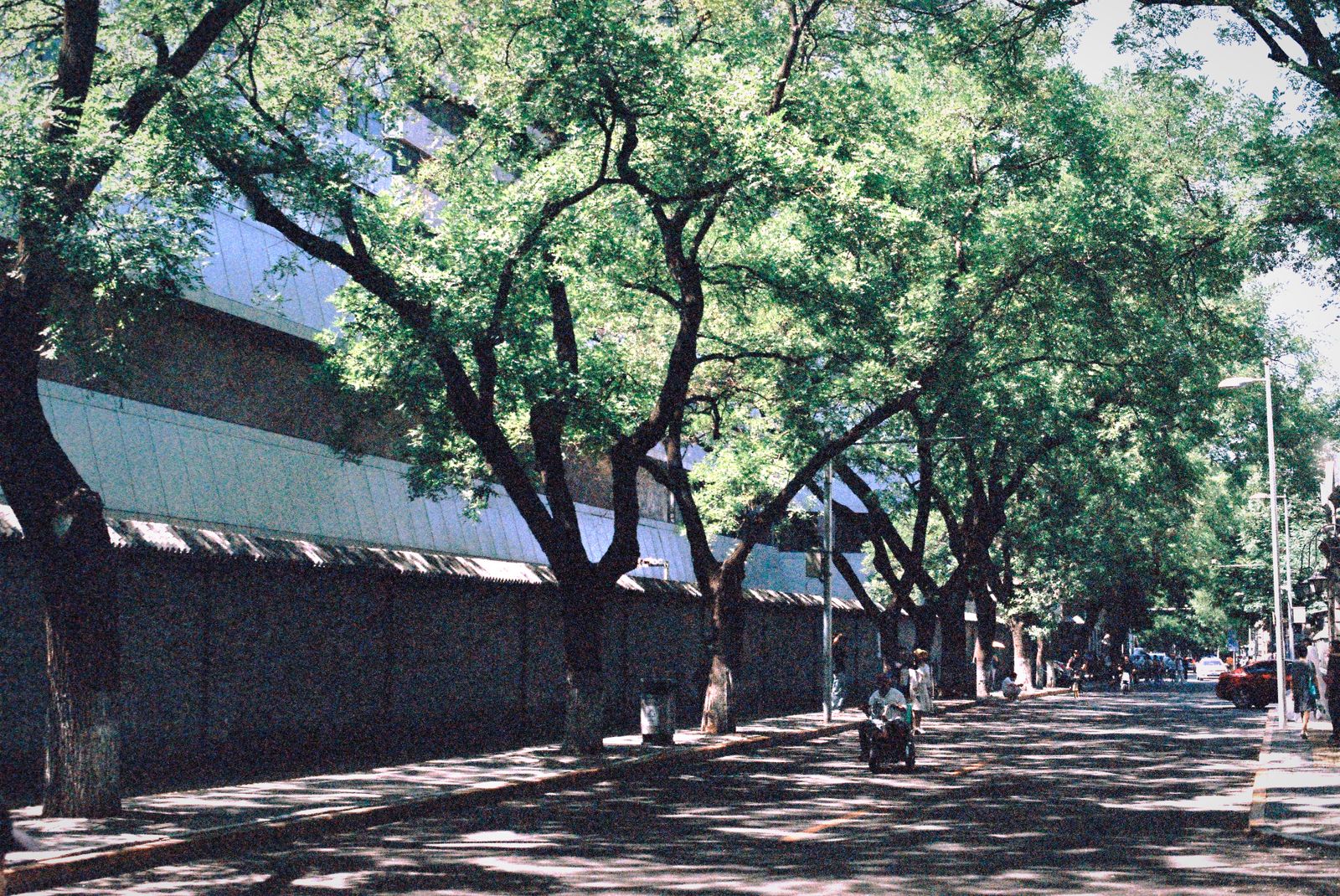
A street tree is easy to describe as decoration. In a hot neighborhood, it functions more like a small piece of public infrastructure: intercepting rain, cooling pavement, filtering air, and making a walk to school or the bus more bearable.
Start with the experience on the ground
Canopy maps are useful, but they become meaningful when paired with the routines of a block. Where do older residents wait for transit? Which playground has no afternoon shade? Where does stormwater pool after a hard rain? A good plan connects environmental data to those ordinary moments.
That changes the planting list. The priority is not simply the emptiest patch of aerial imagery. It is the location where a healthy tree can solve a real problem without creating a new one for utilities, sidewalks, or nearby homes.
Maintenance is part of the design
The highest-risk period begins after the planting event. Young trees need predictable watering, protection from equipment, and early structural pruning. If those responsibilities are unclear, survival drops and community trust drops with it.
Build the care calendar before ordering trees. Assign names, not just organizations. Make the watering route visible. Budget for replacement. Then publish a simple survival update after the first and second summers.
Measure what neighbors can feel
Tree counts matter, but they are not the entire result. Track shade over sidewalks and gathering places, surface temperature on the hottest days, survival by species, and whether residents feel the project improved the block. Those measures tell a fuller story about public value.
A durable canopy is not a one-day beautification project. It is a long relationship between a place, the people who care for it, and the living infrastructure growing above them.